Understand the difference between vulnerability scanning and penetration testing, when you need each and how often to run them.
The terms are often used interchangeably, but vulnerability scanning and penetration testing answer different questions. Knowing which you need saves money and improves security.
Vulnerability scanning
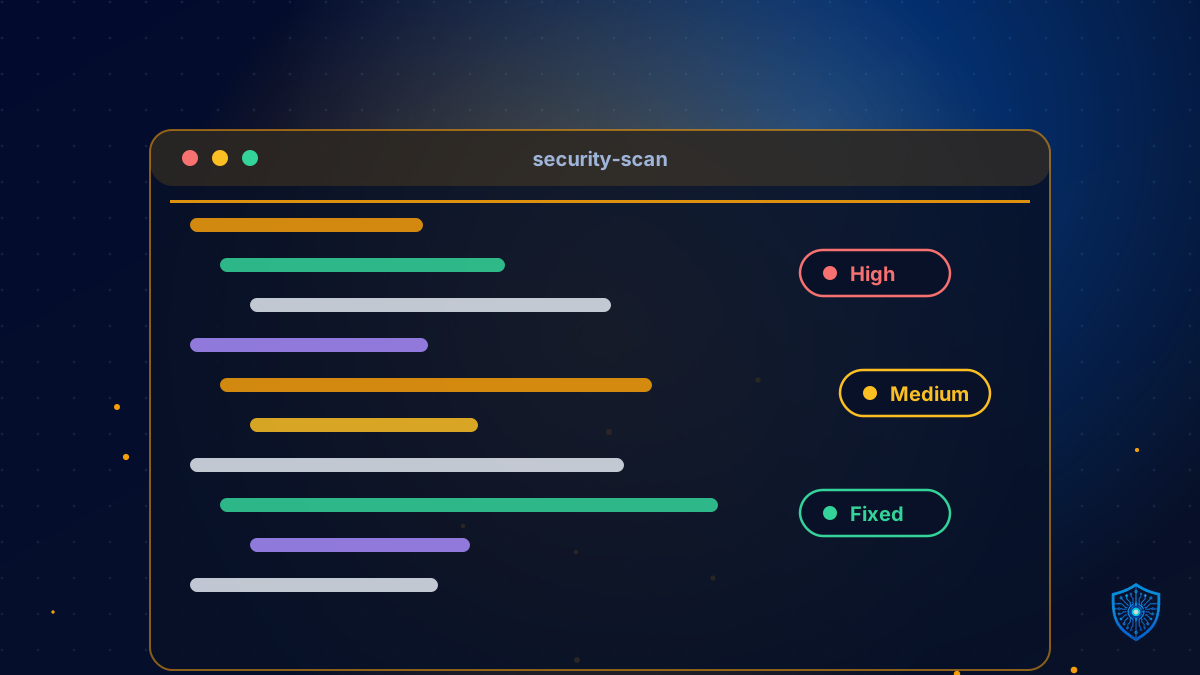
Automated tools scan systems for known weaknesses such as missing patches, misconfigurations and outdated software. It is broad, fast and repeatable, and it produces a prioritized list of findings.
- Best for: continuous hygiene, compliance evidence and tracking remediation.
- Limitation: it flags potential issues but does not prove they can be exploited or chained together.
Penetration testing
Skilled testers simulate real attackers. They combine tools with manual techniques to exploit weaknesses, move through systems and demonstrate business impact.
- Best for: validating defenses, testing critical applications and meeting customer or regulatory expectations.
- Limitation: it is a point-in-time exercise with a defined scope and costs more than scanning.
Side by side
- Depth: scanning is broad; pen testing is deep.
- Method: scanning is automated; pen testing is human-led.
- Frequency: scan continuously or monthly; test at least annually and after major changes.
- Output: scan lists weaknesses; pen test proves attack paths and impact.
What to scope
Typical penetration tests cover external networks, web applications and APIs, internal networks, cloud configuration and, optionally, social engineering. A good report includes evidence, risk ratings, clear fixes and a retest.
The strongest programs use both: scan regularly to keep hygiene high, test periodically to validate defenses. Explore our vulnerability assessment and penetration testing services.
penetration testingpentest servicesvulnerability assessmentvulnerability scanning