
Responsible AI
Practical principles that keep AI adoption secure, accountable and trustworthy.

AI can raise productivity and unlock insight, and it can also expose data and amplify mistakes. These six principles guide how IT Guiders designs, deploys and governs AI with our clients. Each is explained twice: once in plain language and once for technical teams.

Transparency
People should know when AI is used and understand why it produced a result. We favor explainable approaches and clear disclosure.
Document each use case purpose, inputs and limits. Keep prompt and output logs, and use citations or retrieval sources so outputs can be traced and reviewed.
Accountability
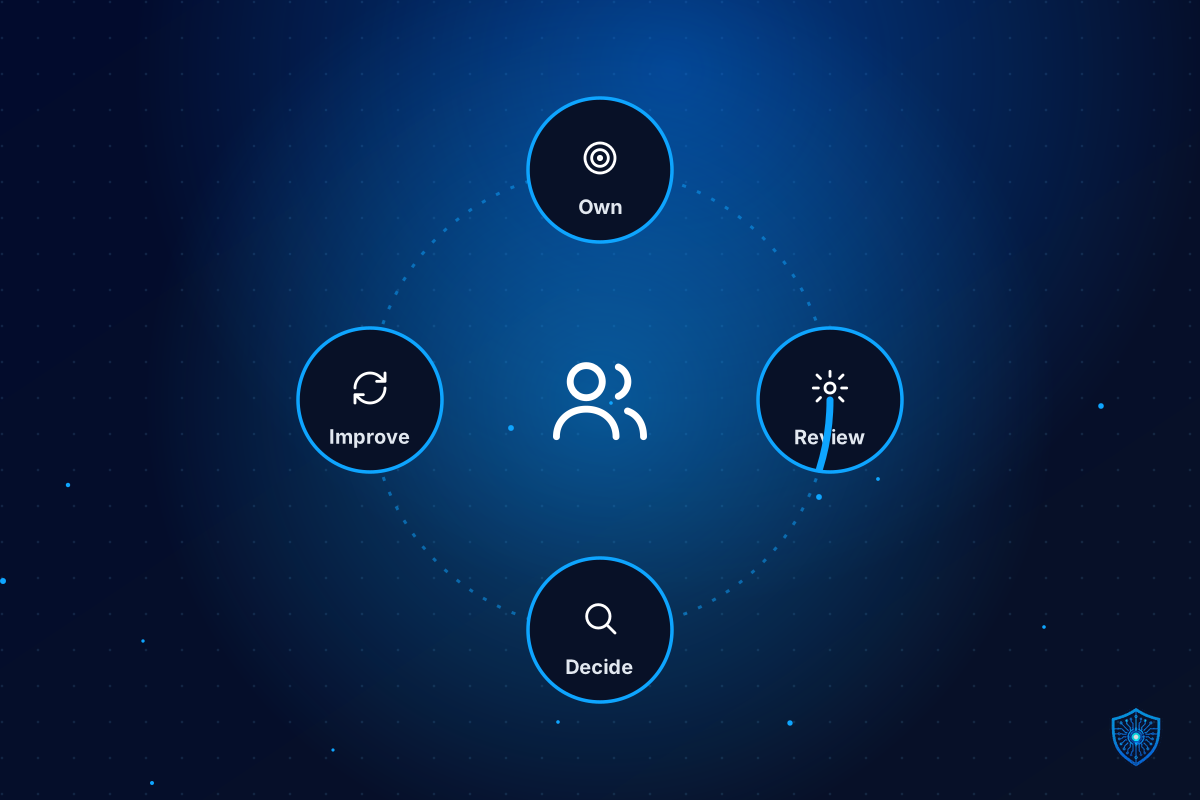
A person, not an algorithm, stays responsible for decisions. Every AI use case has a named owner.
Define a RACI per use case, add human approval gates for high-impact actions, apply change control to prompts and models, and review on a regular cadence.

Security
AI systems and the data behind them are protected like any other critical system.
Least-privilege access, encryption in transit and at rest, secrets management, prompt-injection and data-exfiltration testing, tenant isolation and monitoring of AI endpoints.
Privacy
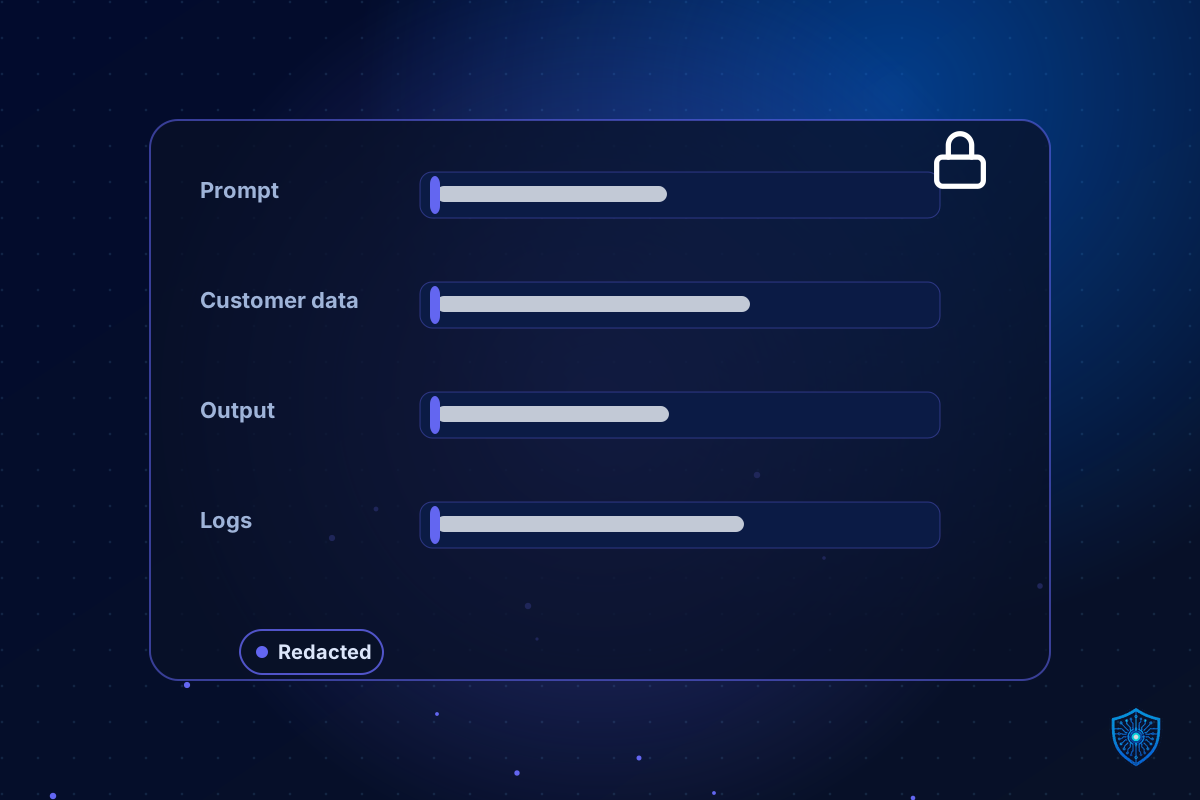
Sensitive information stays protected. We use only the data needed and keep confidential data out of public tools.
Data classification and DLP, redaction before prompts, residency and retention settings, vendor terms that exclude training on your data, and periodic access reviews.
Governance
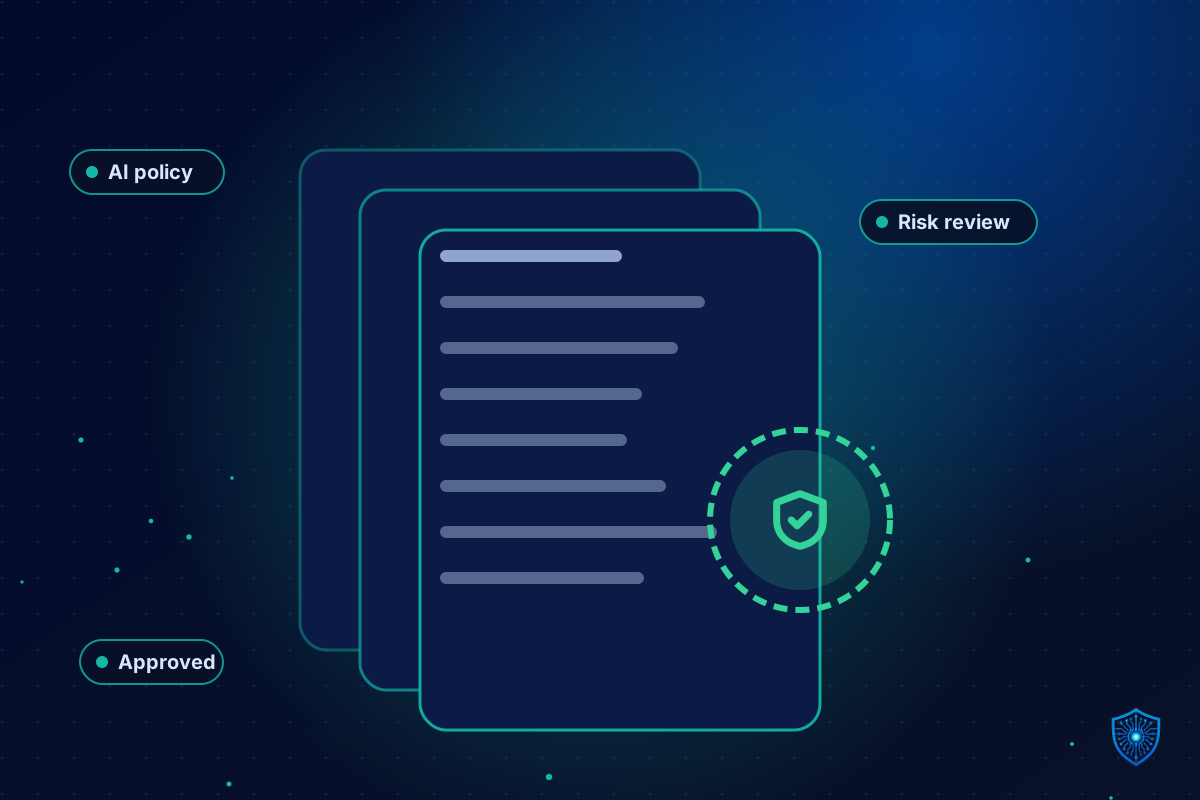
Clear rules on what AI may be used for, reviewed by the right people before launch.
AI policy, use-case inventory and risk tiering, approval workflow, alignment with NIST AI RMF and ISO/IEC 42001 concepts, and periodic audits.
Compliance
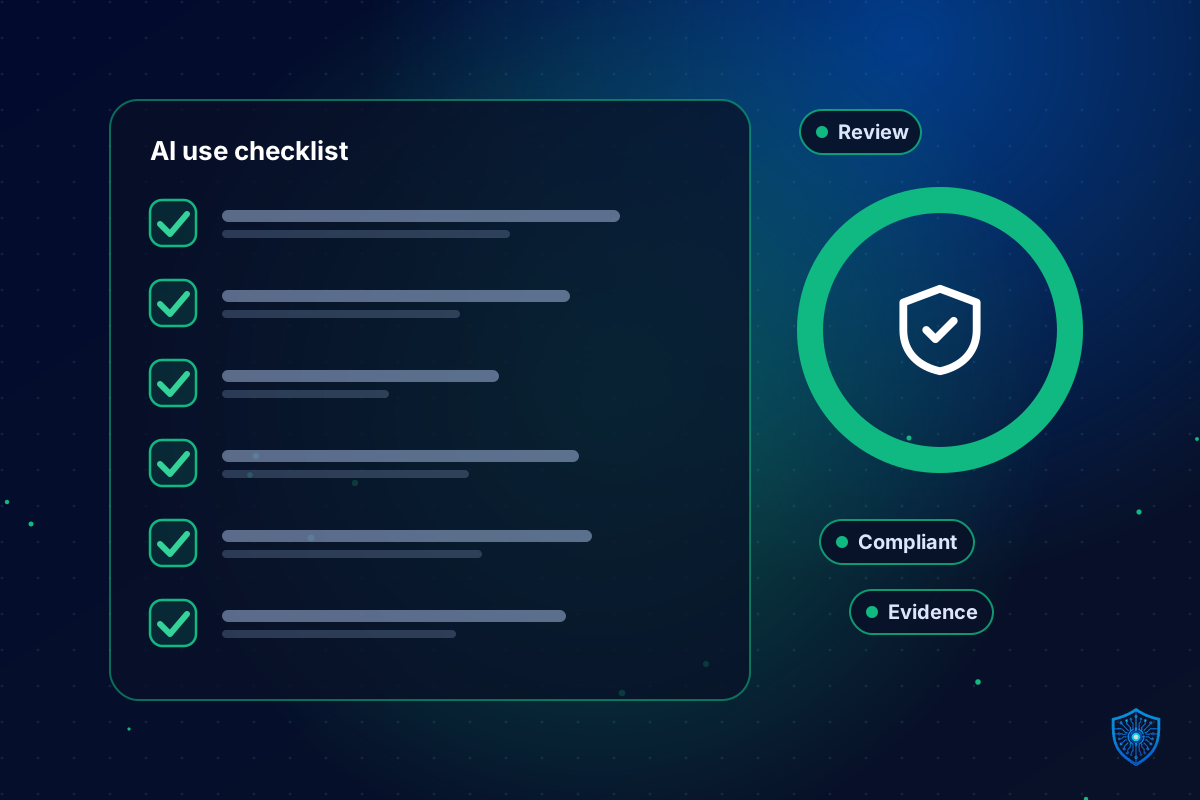
AI use is checked against the laws, contracts and standards that apply to your business.
Map use cases to obligations such as GDPR, HIPAA and the EU AI Act risk categories, and keep evidence of assessments, testing and approvals.
Ready To Transform Your Technology Strategy?
Talk to an expert about your goals. No obligation, direct access to specialists.