A plain-English guide to managed SOC, SIEM and MDR services, and how to decide whether to build or outsource security monitoring.
Attackers do not work business hours. A Security Operations Center (SOC) watches your environment around the clock, detects threats and coordinates response. Building one in-house is expensive, which is why many organizations choose a managed service.
SOC, SIEM and MDR: the differences
- SIEM is the technology that collects and correlates logs from across your environment (for example Microsoft Sentinel).
- SOC is the people and processes that monitor alerts, investigate and respond.
- MDR is a service that combines tooling, analysts and active response, often focused on endpoints and identities.
What a managed SOC does
- Onboards log sources and tunes detection rules.
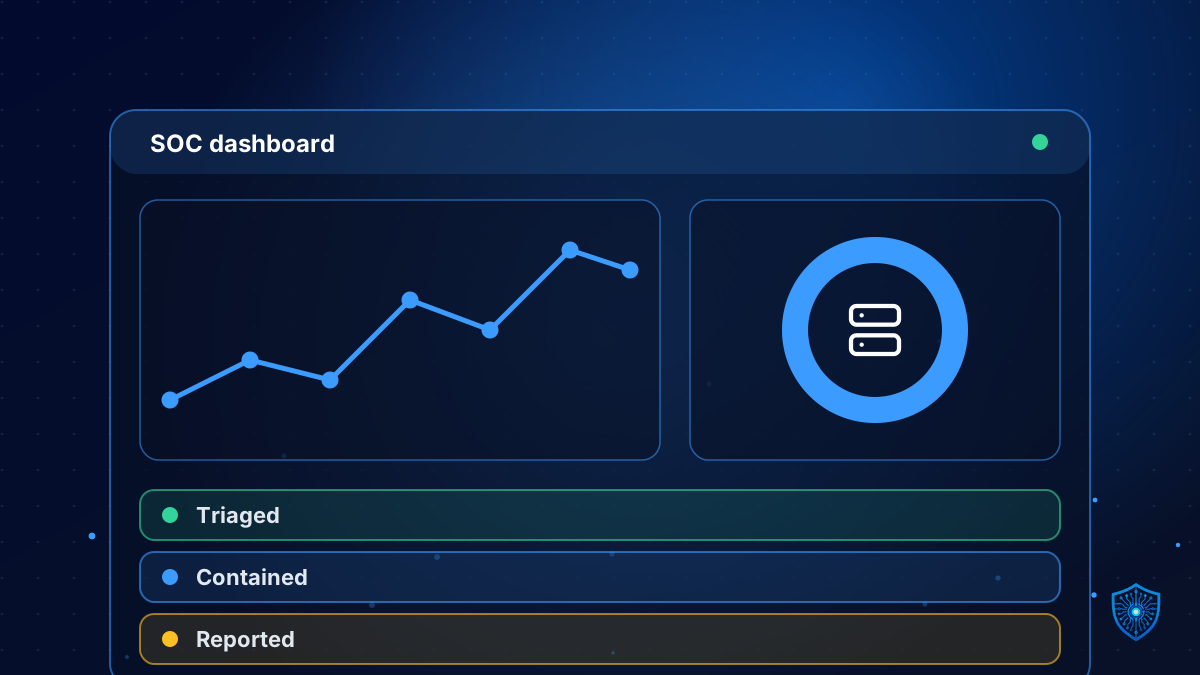
- Monitors alerts and filters out noise.
- Investigates suspicious activity and escalates real incidents.
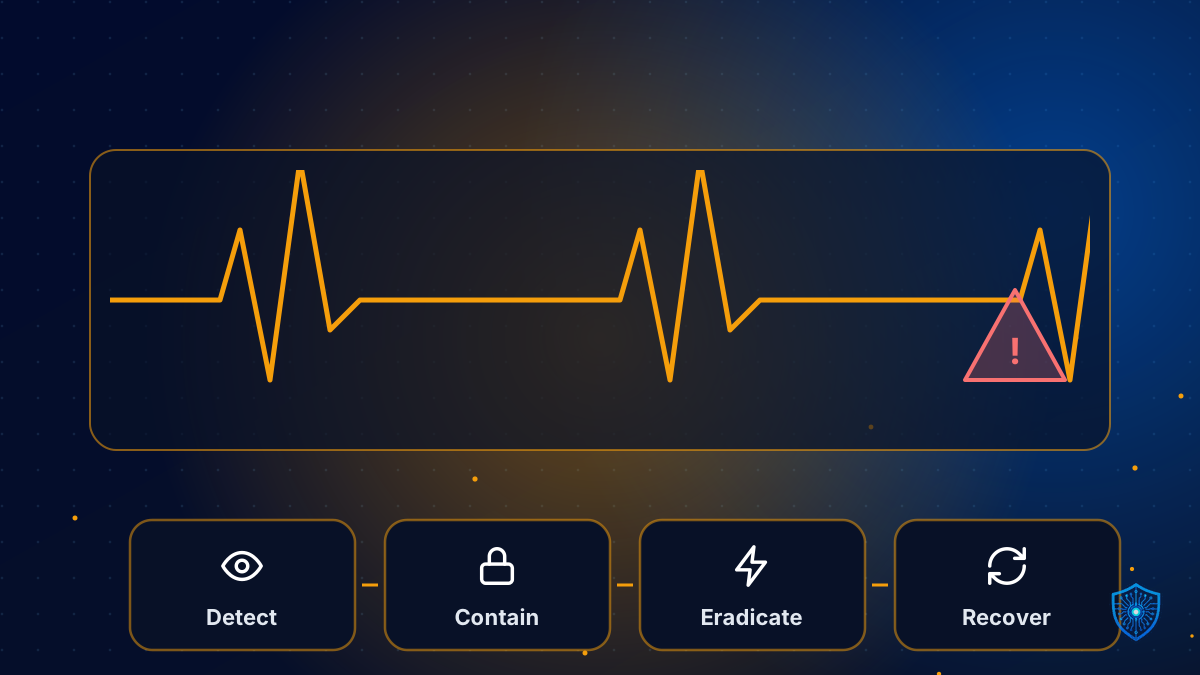
- Guides containment and recovery.
- Reports on trends and improvements.
Do you need one?
Consider a managed SOC if you:
- Lack a 24/7 security team.
- Handle sensitive data or face customer or regulatory scrutiny.
- Are overwhelmed by alerts or have limited visibility.
- Need evidence of monitoring for SOC 2, ISO 27001 or HIPAA.
How to evaluate providers
- Clear scope and service levels for detection and response times.
- Transparency into tooling, data handling and reporting.
- Ability to integrate with your cloud, identity and endpoint platforms.
- Defined escalation and communication procedures.
IT Guiders offers managed SOC services and SIEM deployment and tuning, with support options up to 24/7.
24/7 security monitoringmanaged detection and responsemanaged SOCMDRSIEM
This article is general information, not legal, audit or compliance advice.