Practical DevSecOps steps: SAST, dependency scanning, secrets detection, IaC scanning and container security in your pipeline.
Fixing security issues late is slow and costly. DevSecOps moves security checks into the pipeline so problems are caught while they are cheap to fix.
Security checks across the pipeline
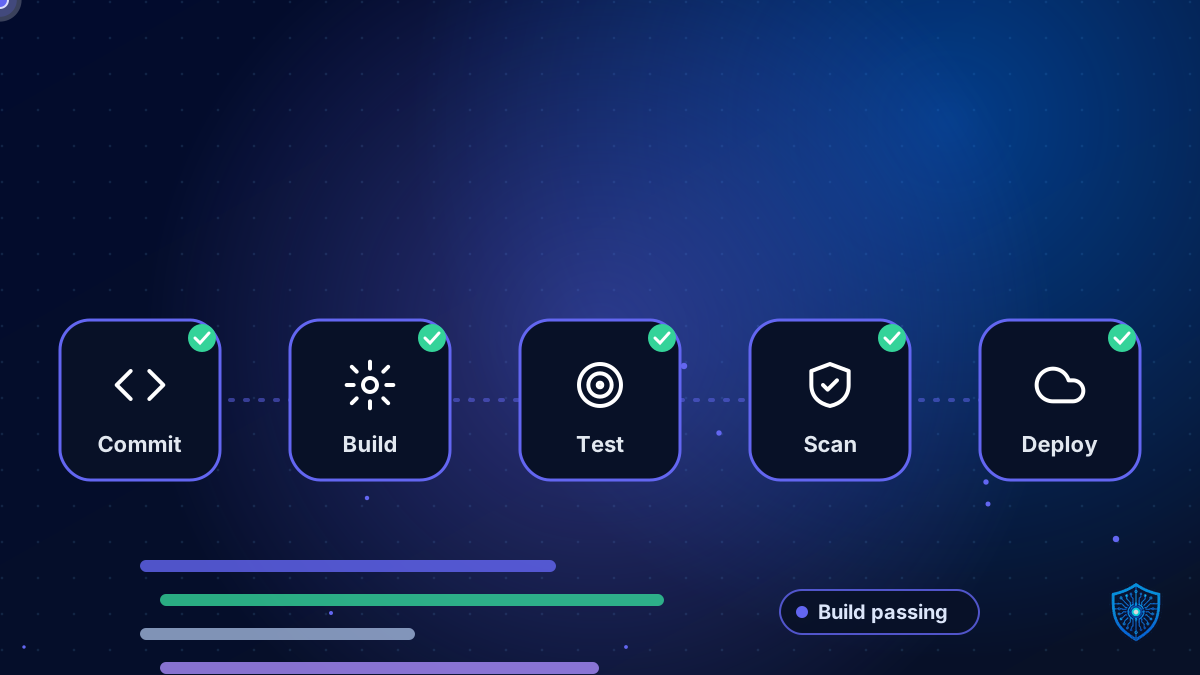
- Commit: secret scanning and pre-commit hooks stop credentials from reaching the repository.
- Build: software composition analysis (SCA) finds vulnerable dependencies; SAST analyzes source code.
- Infrastructure as code: scan Terraform, Bicep and CloudFormation for insecure configurations.
- Containers: scan images, use minimal base images and sign artifacts.
- Test: DAST and API testing against staging environments.
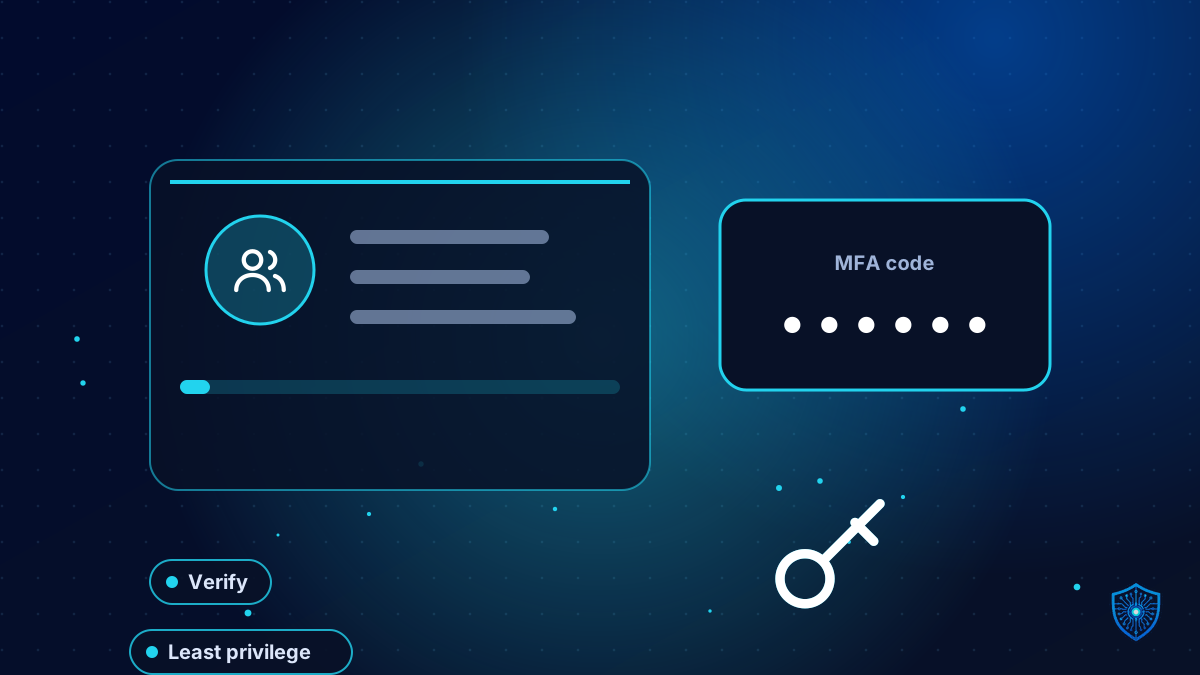
- Deploy: enforce approvals, least-privilege deployment identities and policy-as-code.
- Run: runtime monitoring, logging and alerting.
Make it developer-friendly
- Start with a few high-signal checks to avoid alert fatigue.
- Fail builds only on severe, actionable findings at first.
- Give developers clear remediation guidance in their workflow.
- Track metrics: time to fix, vulnerability age and coverage.
Supply chain basics
Maintain a software bill of materials (SBOM), pin dependencies, and verify the integrity of build artifacts.
Our DevOps services and secure software development teams help design pipelines that ship quickly and safely.
CI/CD securityDevOps servicesDevSecOpsinfrastructure as codesecure software development
This article is general information, not legal, audit or compliance advice.